


Heidi Jones Ear Aid Nepal Bursary Winner 2025
February 9, 2026
Heidi Jones 2025 Bursary report
I am an ENT doctor based in the UK, and in November 2025, I had the privilege of spending two weeks at the INF Ear Hospital and Training Centre, located within Green Pastures Hospital in Pokhara, Nepal.
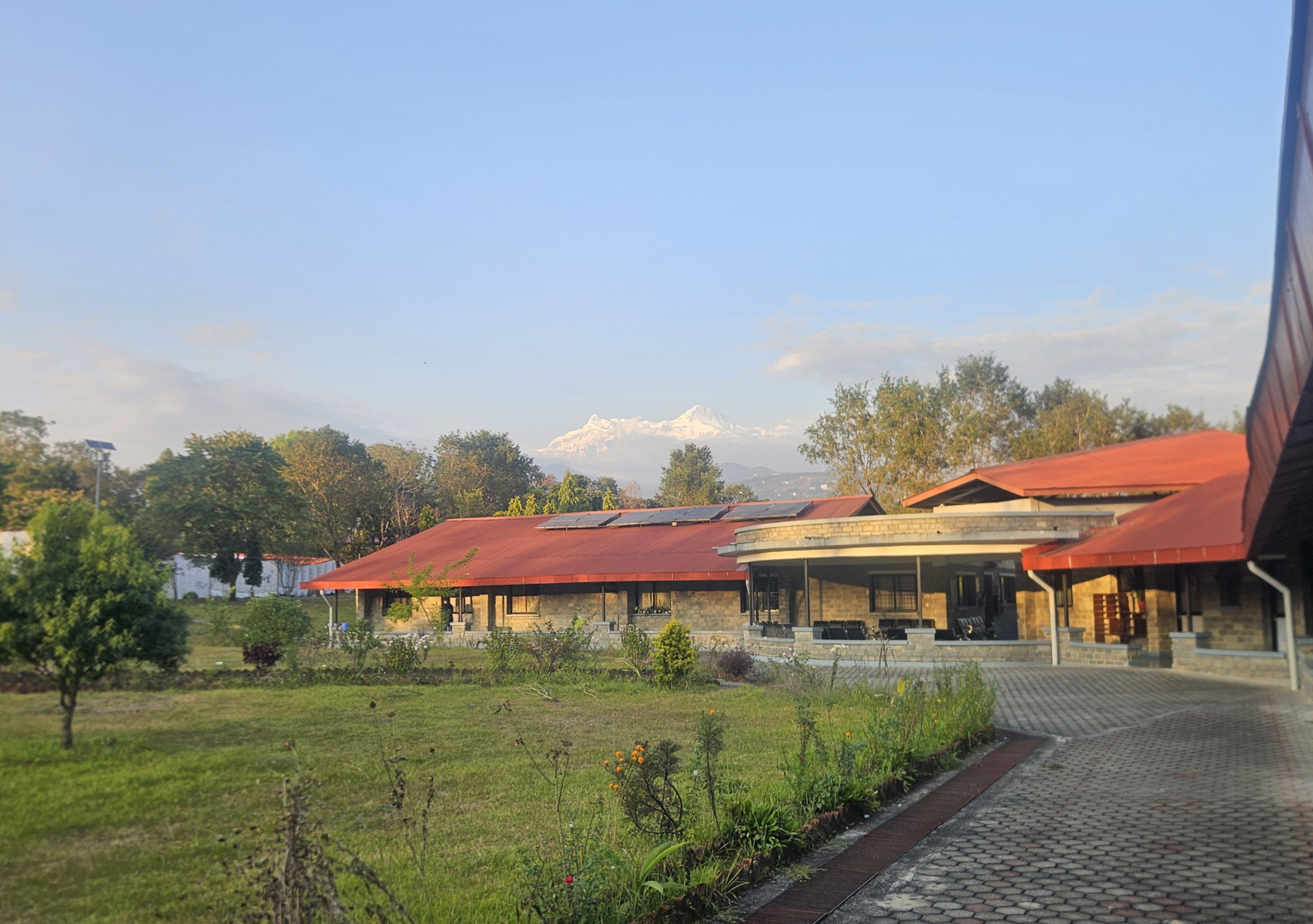
Arrival at the centre was immediately striking. The modern building is set within manicured grounds against a backdrop of spectacular mountains. Equally remarkable was the volume of patients awaiting outpatient treatment—almost 100 for just three doctors. By comparison, most UK doctors typically see 10–12 patients per clinic.
I observed the team delivering outpatient care efficiently across a broad range of complex cases, including advanced conditions I had not previously encountered. In this resource-limited environment, every tool and process was used judiciously—there was no single-use equipment, and in-house sterilisation allowed for repeated use. Administrative staff, nurses, and doctors worked seamlessly together to ensure all patients were managed on the day of attendance. There is no prebooking system, and nobody is turned away. Many patients had undertaken long and challenging journeys to reach the centre, often with limited funds, and services were planned accordingly. Investigations, including on-site CT and MRI, were performed the same day, and surgeries were often scheduled within a week—a level of efficiency in the UK usually reserved for emergencies.
The operating theatre was equally impressive. The team was highly organised, with meticulous resource management. As in the outpatient setting, most items were reusable, with instruments sterilised on site and gowns and drapes washed for repeated use. Where equipment was lacking, thoughtful workarounds were employed, such as in-house adaptations or the use of patients’ own bone in place of expensive prostheses. The theatre was equipped with advanced microscopes and video technology, allowing complex surgeries to be livestreamed to an adjacent lounge. Scrub nurses demonstrated exceptional skill and anticipation, always prepared with the next instrument before it was requested.
I was particularly struck by the camaraderie within the team. The three consultant surgeons described themselves as “brothers,” frequently sharing cases and consulting one another on complex procedures, moving between their outpatient clinics and theatre to provide input where necessary.
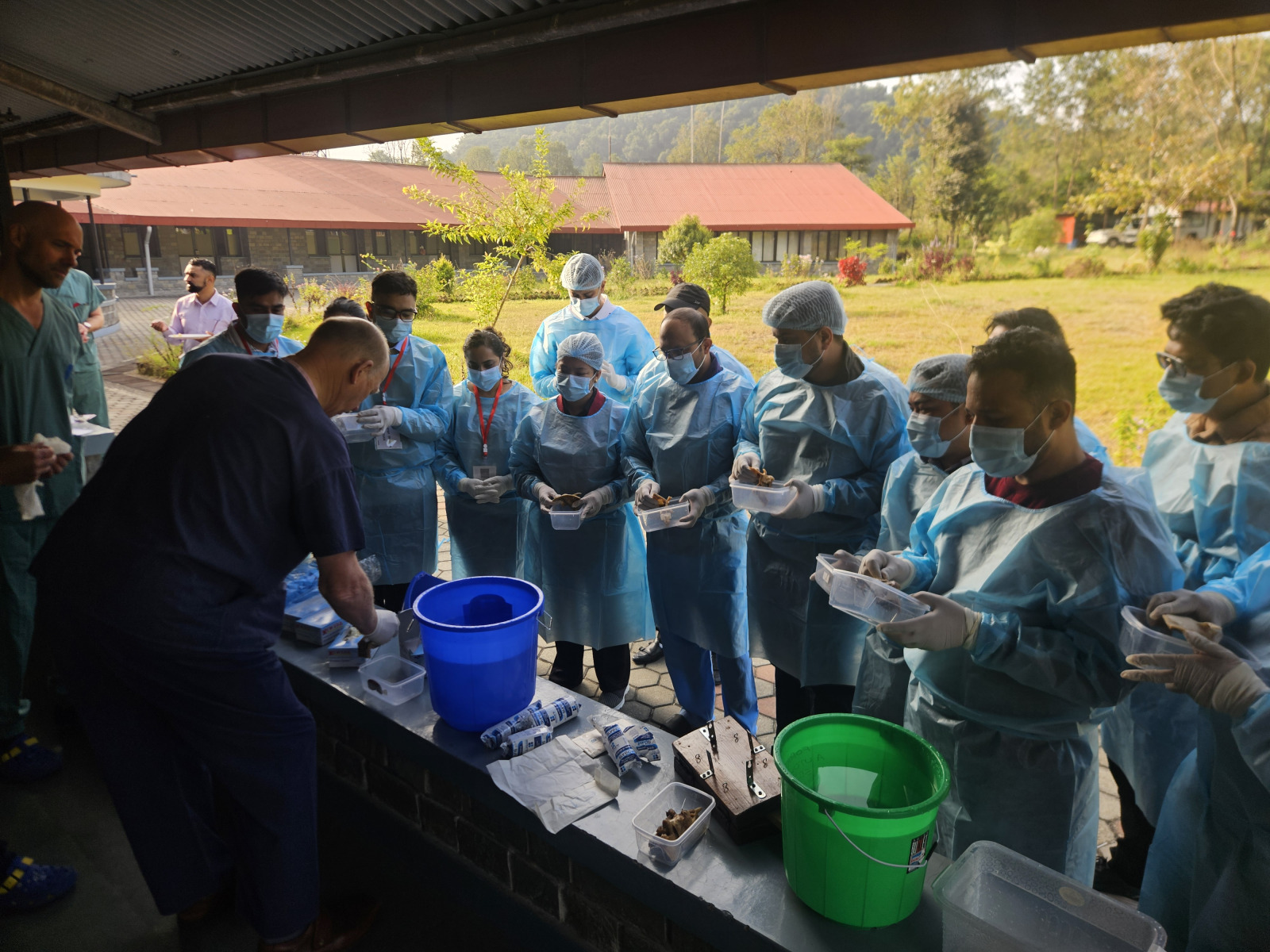
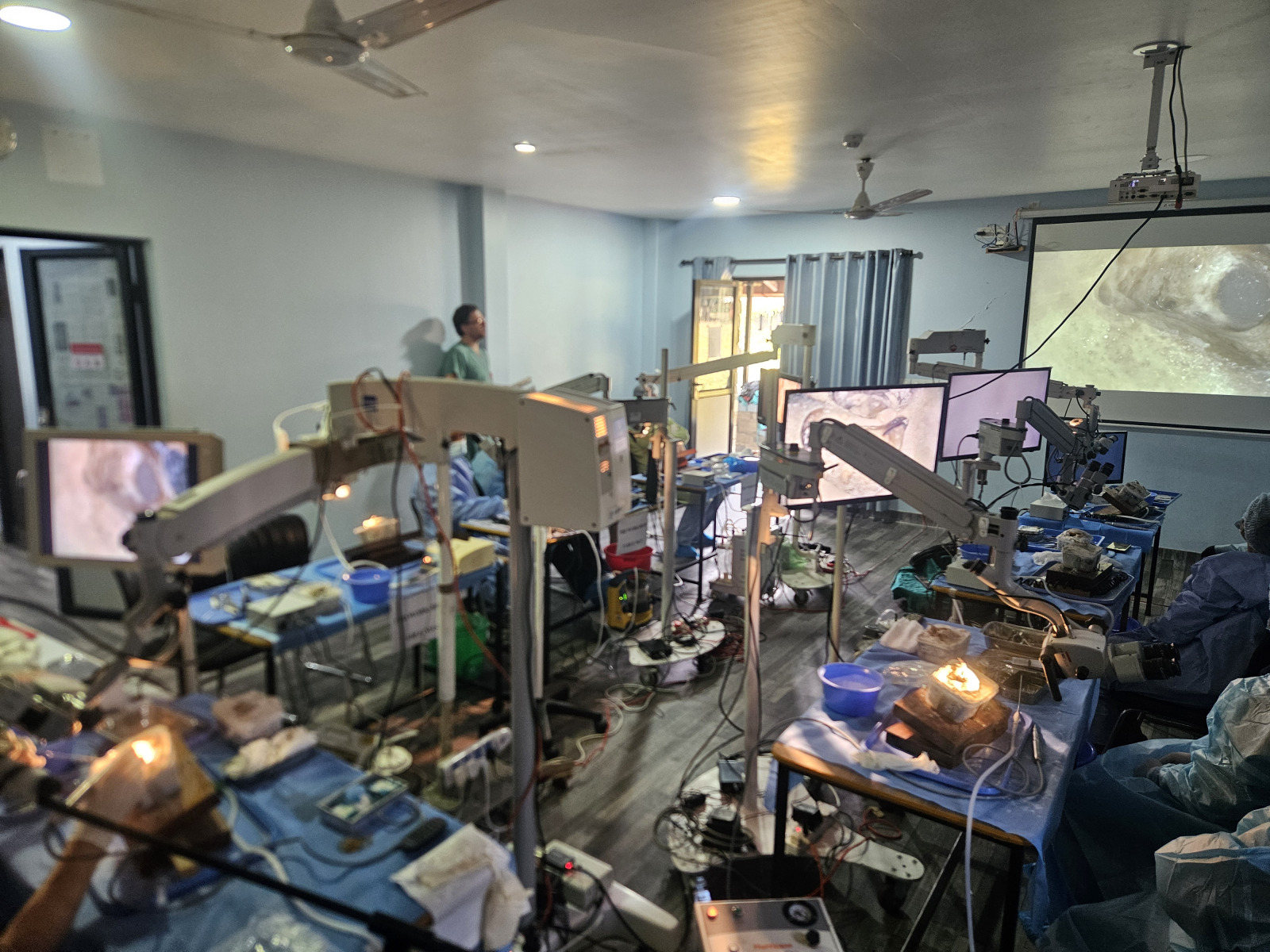
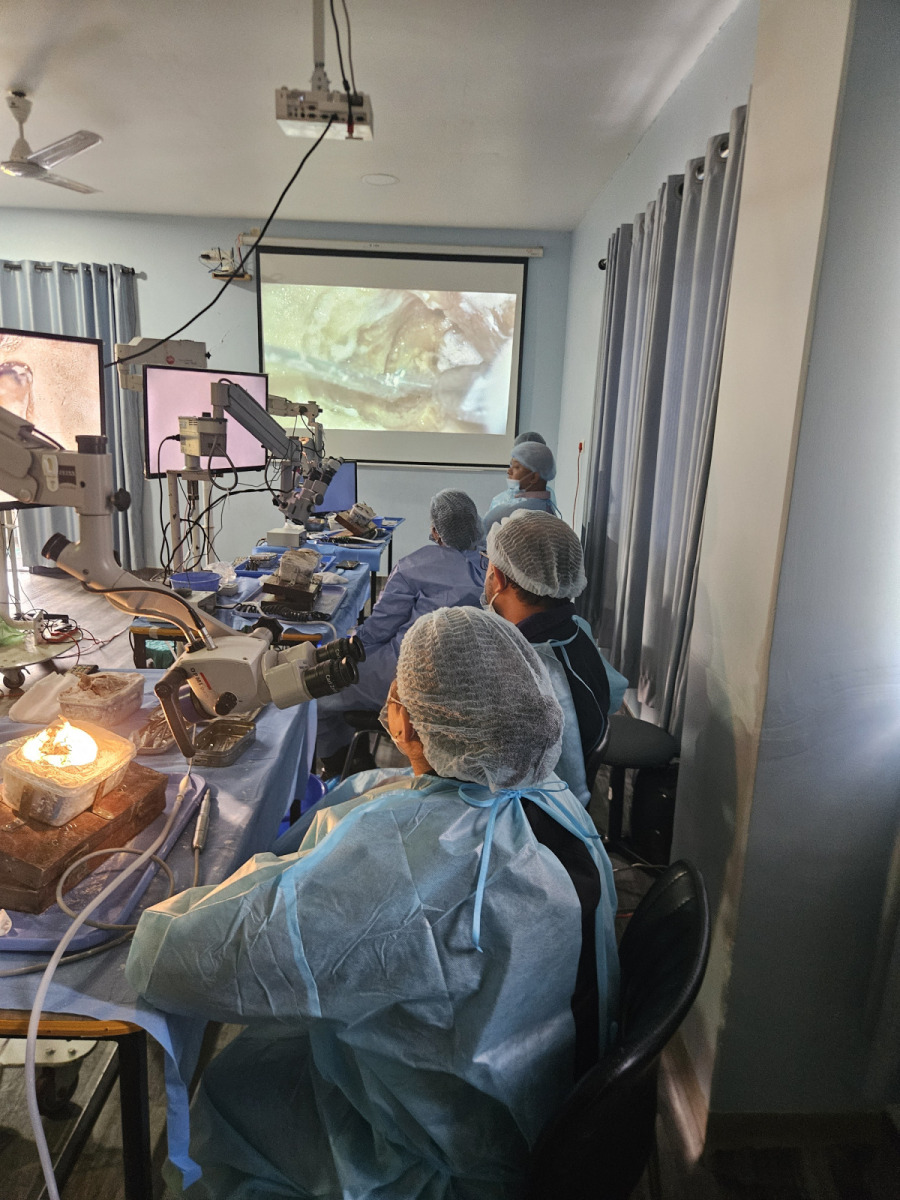
During my visit, I assisted in delivering a temporal bone dissection course for local doctors—a hands-on surgical programme using cadaveric tissue. Doctors from across Nepal attended, eager to learn from the highly regarded Ear Centre team. I was impressed by how a small meeting room was transformed into a fully equipped dissection lab, complete with microscopes, projection screens, and a complex electrical setup, much of it adapted in-house. Participants were motivated, engaged, and clearly held the Ear Centre team in high regard.


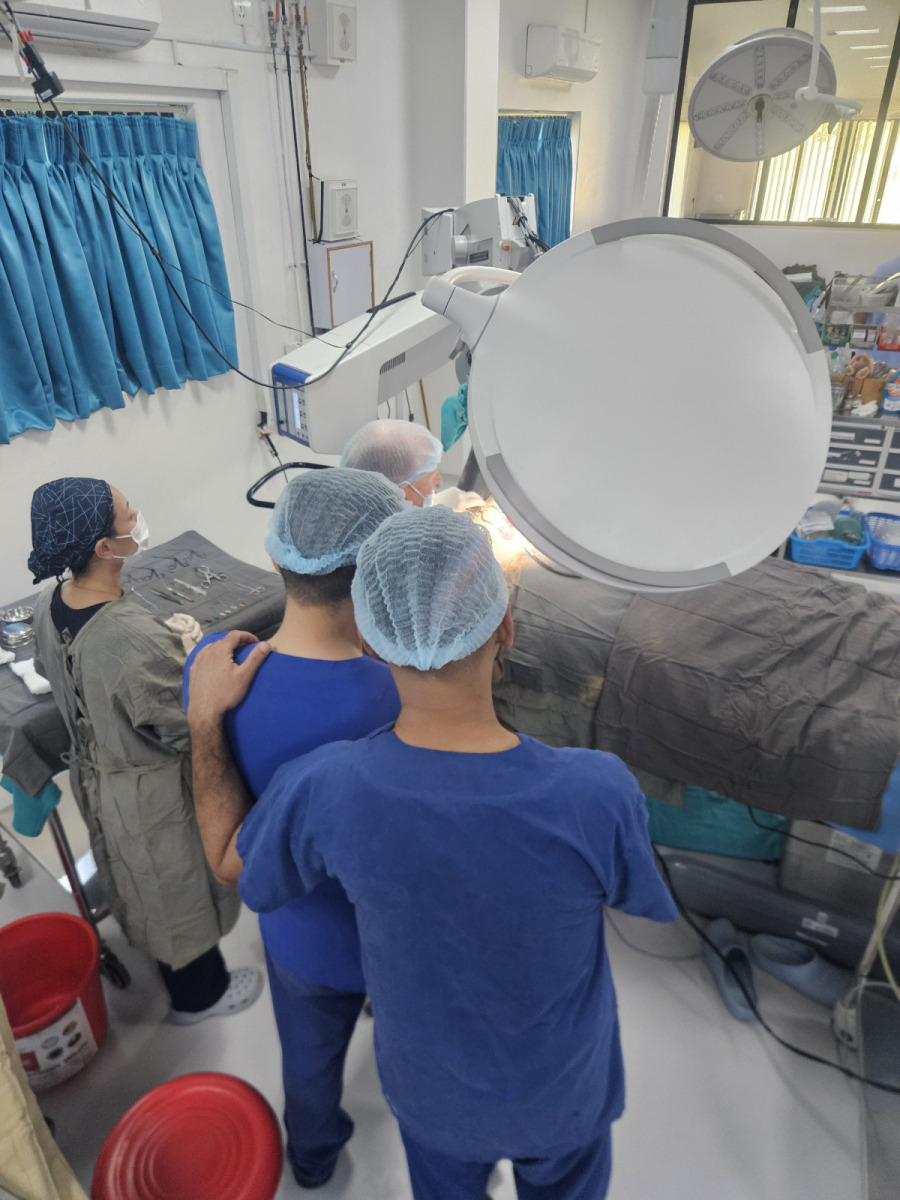
My time in Nepal was invaluable. I was inspired by the dedication, skill, and resourcefulness that have created such an impressive clinical centre. The team delivers exceptional patient care in a challenging environment with limited resources. I hope to bring some of this resourcefulness back to the UK and to emulate the remarkable teamwork and camaraderie I witnessed. The stunning scenery and excellent local cuisine were additional highlights.
